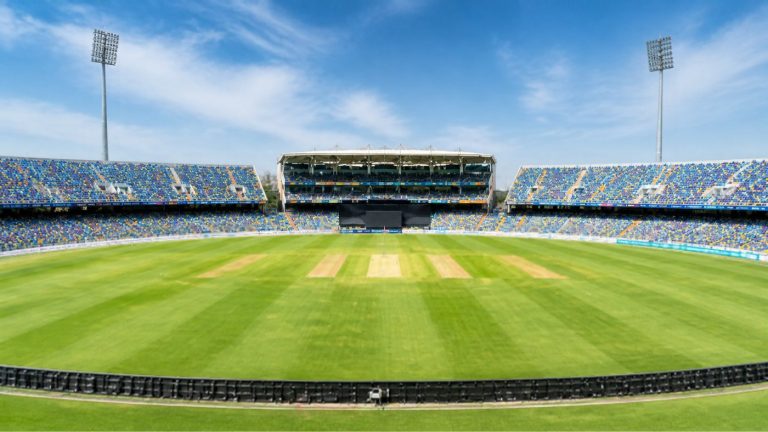
India beat New Zealand by 96 runs at the Narendra Modi Stadium in Ahmedabad on 8 March 2026 to win the ICC Men’s T20 World Cup for a third time. It was the first time any side has successfully defended the title, and the first time the trophy has been won by a host nation.
How the match went
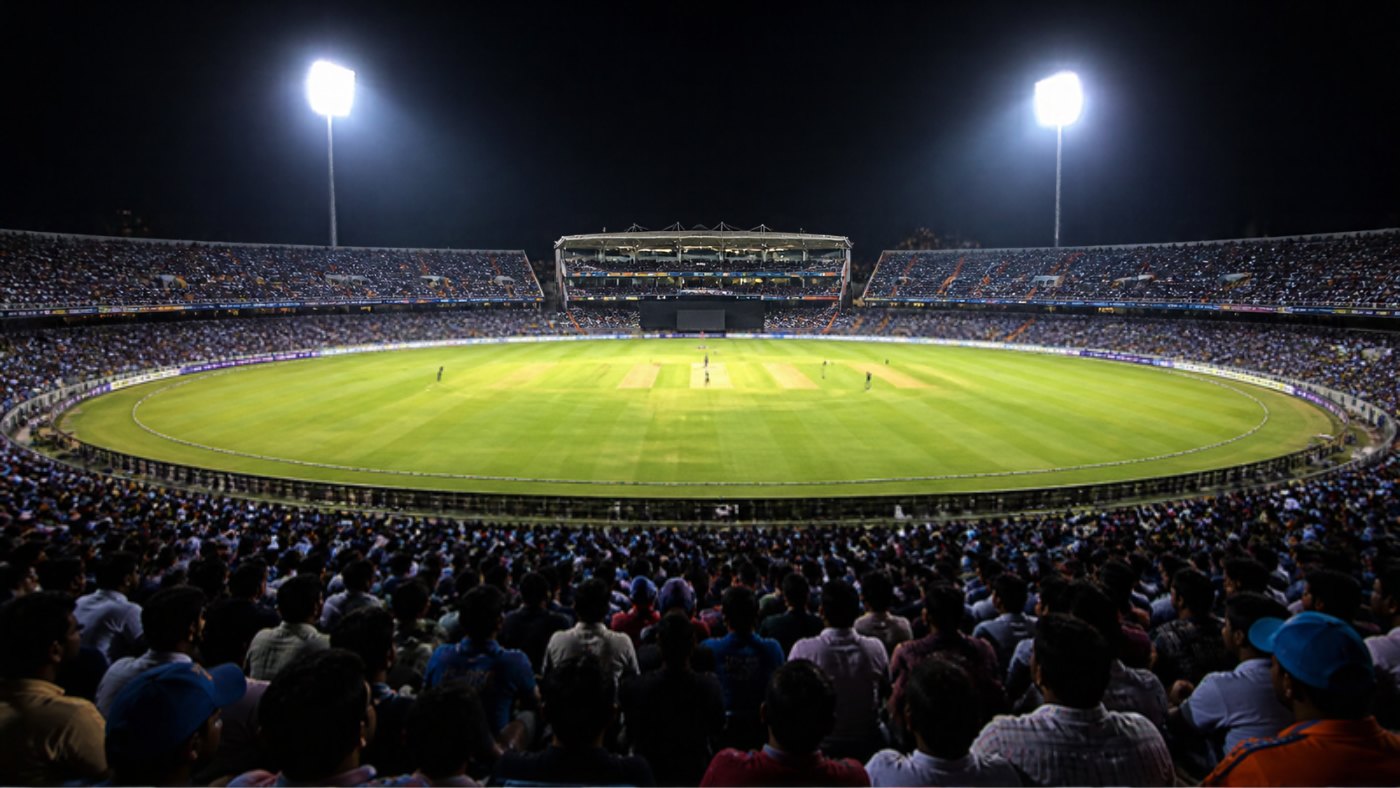
India posted 255 for 5, the highest total made in a T20 World Cup final by a distance. Sanju Samson and Abhishek Sharma put on the first opening stand of fifty or more in a final of the competition, and India took 92 runs from the powerplay, the highest powerplay score of the tournament.
New Zealand never got the chase started. Jasprit Bumrah struck with the first ball of his spell, Ishan Kishan taking the catch to remove Rachin Ravindra, and finished with 4 for 15. New Zealand were bowled out for 159.
The awards
| Award | Player |
|---|---|
| Player of the final | Jasprit Bumrah |
| Player of the tournament | Sanju Samson |
Samson reached the final having passed eighty in three consecutive innings, a run only Mahela Jayawardene in 2010 had previously managed at a T20 World Cup, and he scored a half century in both the semi final and the final.
The road there
India beat England by seven runs in the second semi final. New Zealand reached the final by beating South Africa by nine wickets in the first.
The defeat was New Zealand’s fifth straight loss in an ICC white ball world event final in eleven years, and their second in a T20 World Cup final after 2021.
Where it leaves the records
India now have three men’s T20 World Cup titles from 2007, 2024 and 2026, more than any other country. The combined 414 runs in the final is the most scored in any final of the tournament.
The next men’s T20 World Cup is scheduled for Australia and New Zealand in 2028.