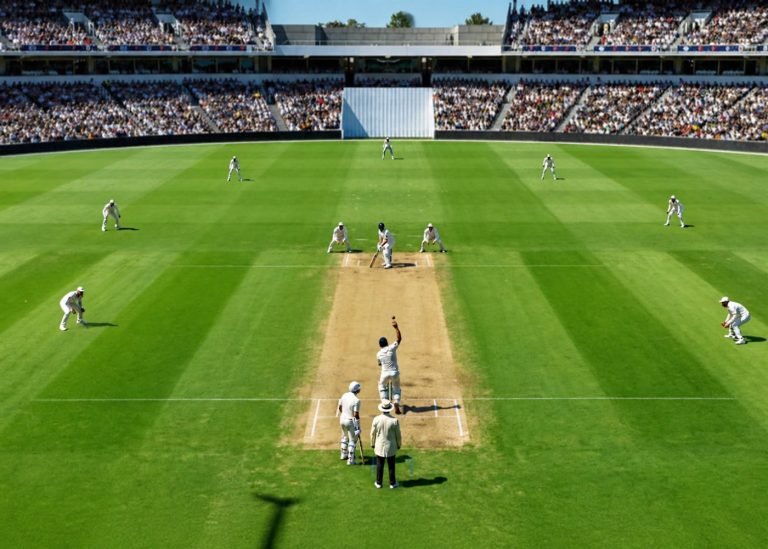
A Test match is scheduled for five days. Each day has a minimum of ninety overs, played in three sessions, and a match that reaches a result earlier simply stops. There is no requirement to use the time available.
A day in the field
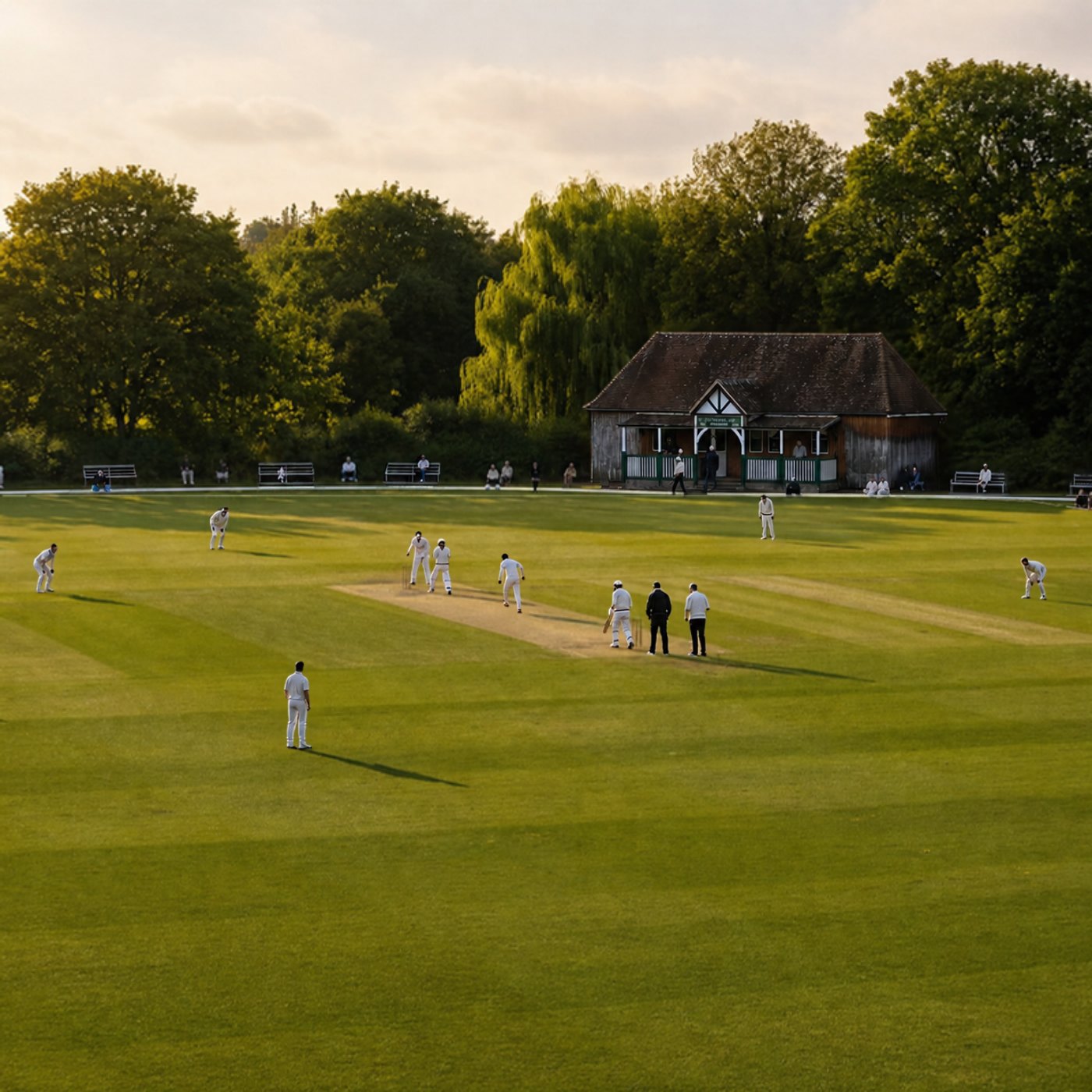
| Session | Length | Break after |
|---|---|---|
| Morning | Two hours | Lunch, forty minutes |
| Afternoon | Two hours | Tea, twenty minutes |
| Evening | Two hours | Close of play |
Six hours of play, ninety overs minimum, which works out at fifteen overs an hour. Sides that fall behind that rate have the time made up at the end of the day, which is why play often continues past the advertised close.
Why matches finish early
Most Tests do not last five days. A result arrives as soon as one side is bowled out twice and the other has passed their total, and that can happen on day three on a helpful pitch. Roughly a third to a half of Tests in recent years have ended inside four days.
The opposite also happens. Rain removes sessions, a flat pitch produces huge first innings scores, and a match drifts to a draw with the fourth innings never seriously contested.
The extra half hour
If the umpires believe a result can be reached, up to thirty extra minutes can be added to the final day. It is at their discretion, not the captains’, and it has decided a reasonable number of matches that would otherwise have been drawn by the clock.
The follow on
In a five day Test, a side leading by 200 or more on first innings may ask the opposition to bat again immediately rather than batting themselves. This is the follow on, and it is a choice rather than an obligation. The threshold drops for shorter matches: 150 for a three or four day game, 100 for a two day game and 75 for a one day first class match.
Day night Tests
Pink ball Tests shift the hours later, usually starting in the afternoon and finishing under lights. The session names change accordingly, with tea taken between the first and second sessions and dinner between the second and third. The over requirement does not change.
What makes Test cricket different from the rest
- There is no limit on how many overs one bowler may bowl
- Both sides bat twice, so a poor first innings can be recovered
- A draw is a genuine result rather than a failure of the format
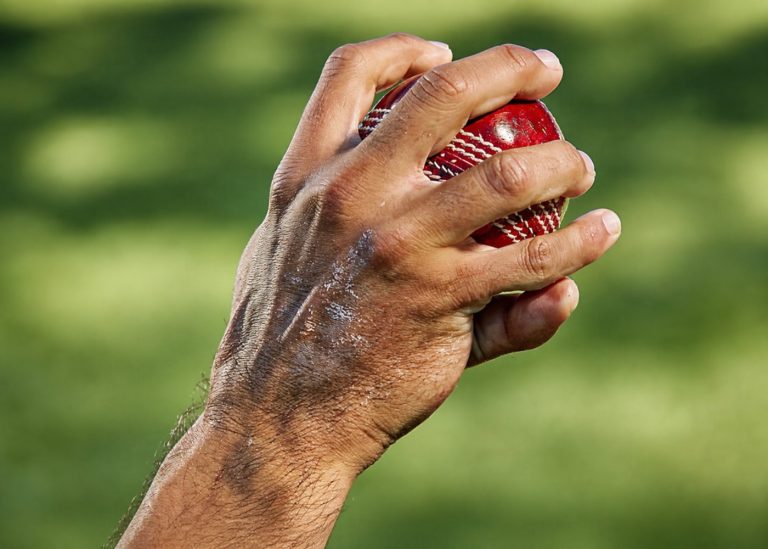
- The ball is replaced only after eighty overs, so its condition drives the tactics
- Fielders may be placed anywhere, subject only to the two behind square on the leg side limit
That last set of freedoms is the reason a Test can turn completely in one session. Nothing in the format forces a side to keep scoring, so the two teams are negotiating over time as much as runs.